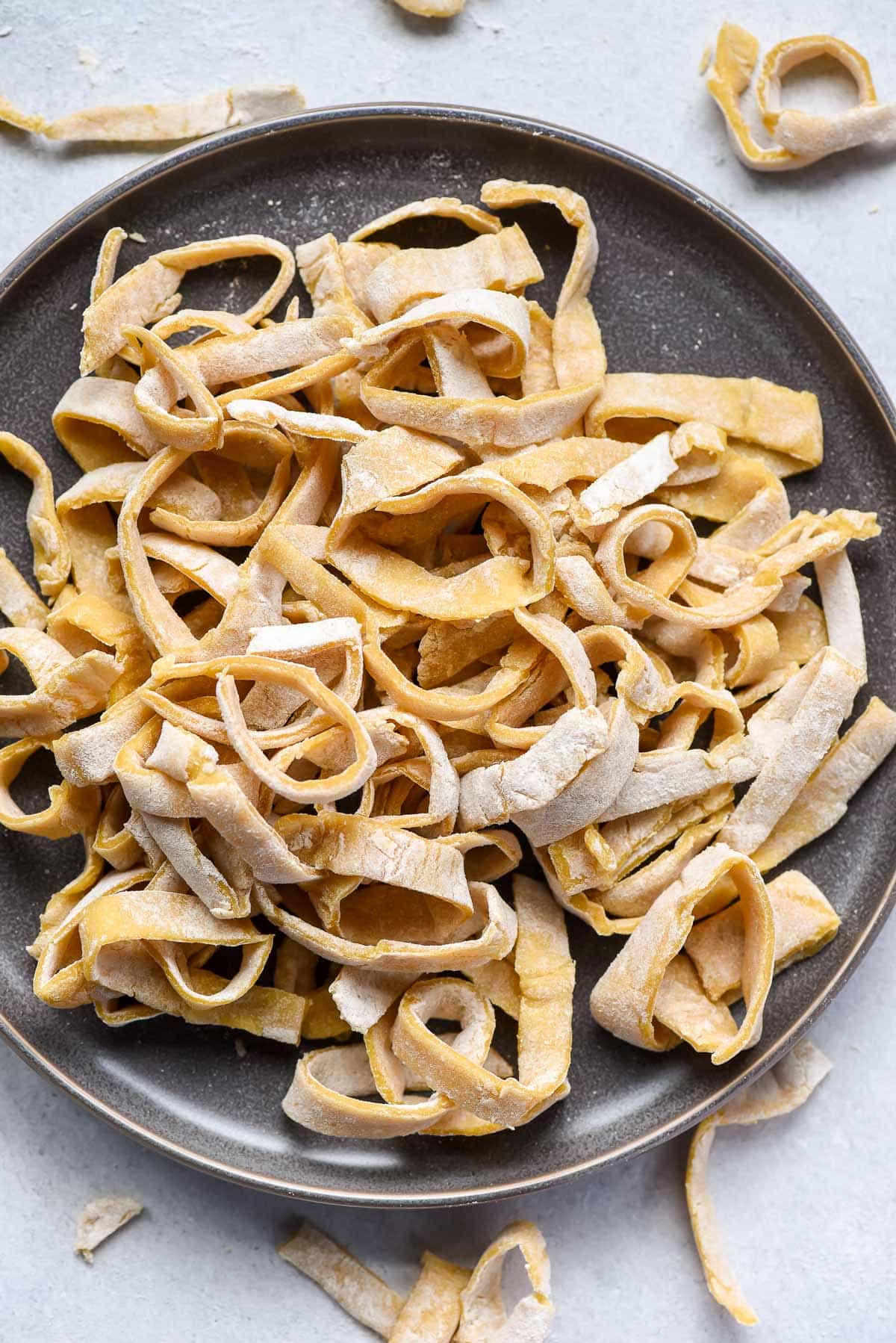
Embrace the Comfort: Crafting Easy Homemade Egg Noodles from Scratch
There's a certain magic in the kitchen when you create something delicious from just a handful of basic ingredients. This is especially true for homemade egg noodles, a timeless culinary tradition that brings warmth, comfort, and an unmistakable flavor to any meal. Forget the bland, dried pasta from the store; fresh, tender homemade egg noodles instantly elevate simple dishes, turning an ordinary dinner into a cherished memory. For generations, families have gathered around kitchen tables, rolling out dough and cutting fresh pasta, imparting not just sustenance but a sense of heritage. This recipe channels that nostalgic charm, making the process simple and incredibly approachable for even the novice cook. With just flour, eggs, salt, and a touch of oil, you're on your way to creating versatile, delicious noodles that will undoubtedly become a staple in your culinary repertoire.Why Homemade Egg Noodles Trump Store-Bought
Once you experience the superior taste and texture of fresh egg noodles, there’s no going back. While store-bought pasta serves its purpose, it simply cannot rival the richness, tenderness, and unique character that homemade varieties offer.The Unmistakable Flavor and Texture
Fresh homemade egg noodles boast a richer, more nuanced flavor thanks to the higher egg content. This isn't just about taste; it's about sensation. Unlike the firm, sometimes brittle texture of dried pasta, fresh noodles are incredibly tender, with a delightful chewiness that's both satisfying and melt-in-your-mouth soft. This unique texture allows them to absorb sauces and broths beautifully, infusing every strand with the full flavor of your dish. They cook incredibly quickly, too, often in a matter of minutes, preserving their delicate structure and ensuring they never get mushy.
If you're still not convinced about the profound difference, delve deeper into Homemade Egg Noodles: Why Fresh Beats Store-Bought Taste.
Versatility for Every Meal
One of the greatest joys of homemade egg noodles is their incredible versatility. They are truly a chameleon in the kitchen:
- Hearty Soups: Drop them directly into a simmering chicken noodle soup for a truly comforting bowl. Their ability to soak up broth is unparalleled.
- Creamy Pasta Dishes: Their delicate texture pairs perfectly with rich, creamy sauces, clinging to every drop.
- Quick Stir-Fries: Toss them with your favorite vegetables and proteins for a lightning-fast and flavorful weeknight meal.
- Casseroles: Provide a tender, toothsome base that holds up beautifully to baking.
- Simple Butter and Herbs: Sometimes, the simplest preparation is the best. A drizzle of melted butter and fresh herbs allows their natural flavor to shine.
Beyond their culinary merits, making noodles is a wonderful, hands-on activity for the whole family, transforming meal prep into a fun, shared experience.
Simple Ingredients, Big Flavor: What You'll Need
The beauty of homemade egg noodles lies in their simplicity. You likely already have most, if not all, of these basic pantry staples. The key to success is using fresh, quality ingredients, especially the eggs, and accurate measurements.The Essential Pantry Staples
- All-Purpose Flour (2 cups / 240g): This is the backbone of your noodles. While some pasta recipes call for '00' flour, all-purpose works beautifully for egg noodles, providing a tender yet sturdy texture. Measuring flour correctly is crucial – scoop it lightly into your measuring cup, then level off with a knife, or better yet, use a kitchen scale for precision.
- Large Eggs (3): Eggs provide the rich color, distinctive flavor, and structure to your noodles. Fresh, large eggs are ideal. They bind the dough and contribute to that coveted tender chewiness.
- Vegetable Oil (1 tablespoon): A small amount of oil adds a touch of elasticity to the dough, making it easier to roll and contributing to a smoother texture. Olive oil can also be used for a slightly different flavor profile.
- Salt (1/2 teaspoon): Don't skip the salt! It enhances the flavor of the noodles themselves, preventing them from tasting bland.
- Water (1-2 tablespoons, if needed): This is your contingency. Depending on the humidity and the size of your eggs, your dough might be a little too dry. Add water sparingly, one teaspoon at a time, until the dough comes together.
- Additional Flour for Dusting (2 tablespoons, optional): Essential for preventing sticking during rolling and cutting.
Tools for Your Noodle-Making Journey
You might be surprised to learn that you don't need any specialized pasta machines to create incredible homemade egg noodles. This recipe celebrates the traditional, hand-rolled method, proving that No Machine Needed: Simple Homemade Egg Noodles Recipe is entirely achievable with basic kitchen equipment.
- Large Mixing Bowl: For combining your ingredients.
- Fork or Whisk: To initially beat the eggs and start incorporating the flour.
- Clean Work Surface: A large, clean countertop or a wooden board is perfect for kneading and rolling.
- Rolling Pin: Your primary tool for flattening the dough. Any standard rolling pin will do.
- Sharp Knife or Pizza Cutter: For cutting your noodles into uniform strips. A pizza cutter is surprisingly efficient.
- Large Pot: For boiling your freshly made noodles.
Step-by-Step Guide to Perfect Homemade Egg Noodles
Making homemade egg noodles from scratch might sound intimidating, but the process is surprisingly straightforward and incredibly rewarding. Follow these steps, and you'll be enjoying fresh pasta in no time.Crafting the Dough
- Combine Dry Ingredients: In your large mixing bowl, whisk together the 2 cups (240g) of all-purpose flour and 1/2 teaspoon of salt. This ensures the salt is evenly distributed.
- Create a Well: Push the flour mixture to the sides of the bowl, forming a generous "well" in the center. This well will hold your wet ingredients.
- Add Wet Ingredients: Crack the 3 large eggs into the center of the well, and add the 1 tablespoon of vegetable oil.
- Initial Mixing: Using a fork, gently whisk the eggs and oil in the center, gradually pulling in small amounts of flour from the edges of the well. Continue until a shaggy, coarse dough forms.
- Knead the Dough: Turn the dough out onto your clean work surface. Gather it together and begin kneading. Push the dough away from you with the heels of your hands, fold it back over, and rotate. Continue kneading for 5-7 minutes. The dough will start somewhat sticky, but as you knead, it will become smooth, elastic, and no longer stick to your hands or the surface. If it feels too dry and crumbly, add water sparingly, 1 teaspoon at a time. If it's too sticky, add a tiny bit more flour.
- Rest the Dough: Form the kneaded dough into a ball. Cover it tightly with plastic wrap or invert your mixing bowl over it. Let the dough rest at room temperature for at least 30 minutes. This resting period is crucial; it allows the gluten to relax, making the dough much easier to roll thinly without snapping back.
Rolling and Cutting Your Noodles
- Prepare Work Surface: Lightly dust your clean work surface with flour.
- Roll the Dough: Divide the dough into two or three equal portions (this makes it easier to handle). Take one portion and flatten it slightly with your hands. Begin rolling it out with your rolling pin, working from the center outwards. Rotate the dough frequently and dust with flour as needed to prevent sticking. Roll the dough as thinly as possible – aim for paper-thin, about 1/16th of an inch. The thinner you roll, the more delicate your noodles will be.
- Dust and Fold: Once rolled, lightly dust both sides of the dough sheet with flour. This prevents the layers from sticking together. Gently fold the dough sheet loosely into a rectangle or roll it up like a jelly roll.
- Cut the Noodles: Using a sharp knife or pizza cutter, slice the folded or rolled dough into strips of your desired thickness. For classic egg noodles, aim for about 1/4 to 1/2 inch wide.
- Unfurl and Separate: Carefully unfurl the cut noodles and separate them. Gently toss them with a little extra flour to prevent sticking.
Drying and Cooking Tips
- Light Drying: Spread the freshly cut noodles in a single layer on a lightly floured baking sheet, a clean kitchen towel, or a drying rack. Let them air dry for at least 30 minutes to an hour. This helps them firm up slightly and prevents them from clumping when cooked. For a chewy texture in soups, a shorter drying time is fine. If you plan to store them, they will need to dry longer (see storage tips below).
- Cook Immediately or Store: Bring a large pot of salted water to a rolling boil. If adding to soup, ensure your soup is at a strong simmer.
- Cooking Fresh Noodles: Add the fresh noodles to the boiling water or simmering soup. They cook incredibly fast – usually in just 2-3 minutes. They will float to the surface when done. Taste test to ensure they are tender but still have a slight al dente bite. Overcooking will make them mushy.
- Draining: If boiling separately, drain immediately and either toss with your desired sauce or add to your prepared dish.
