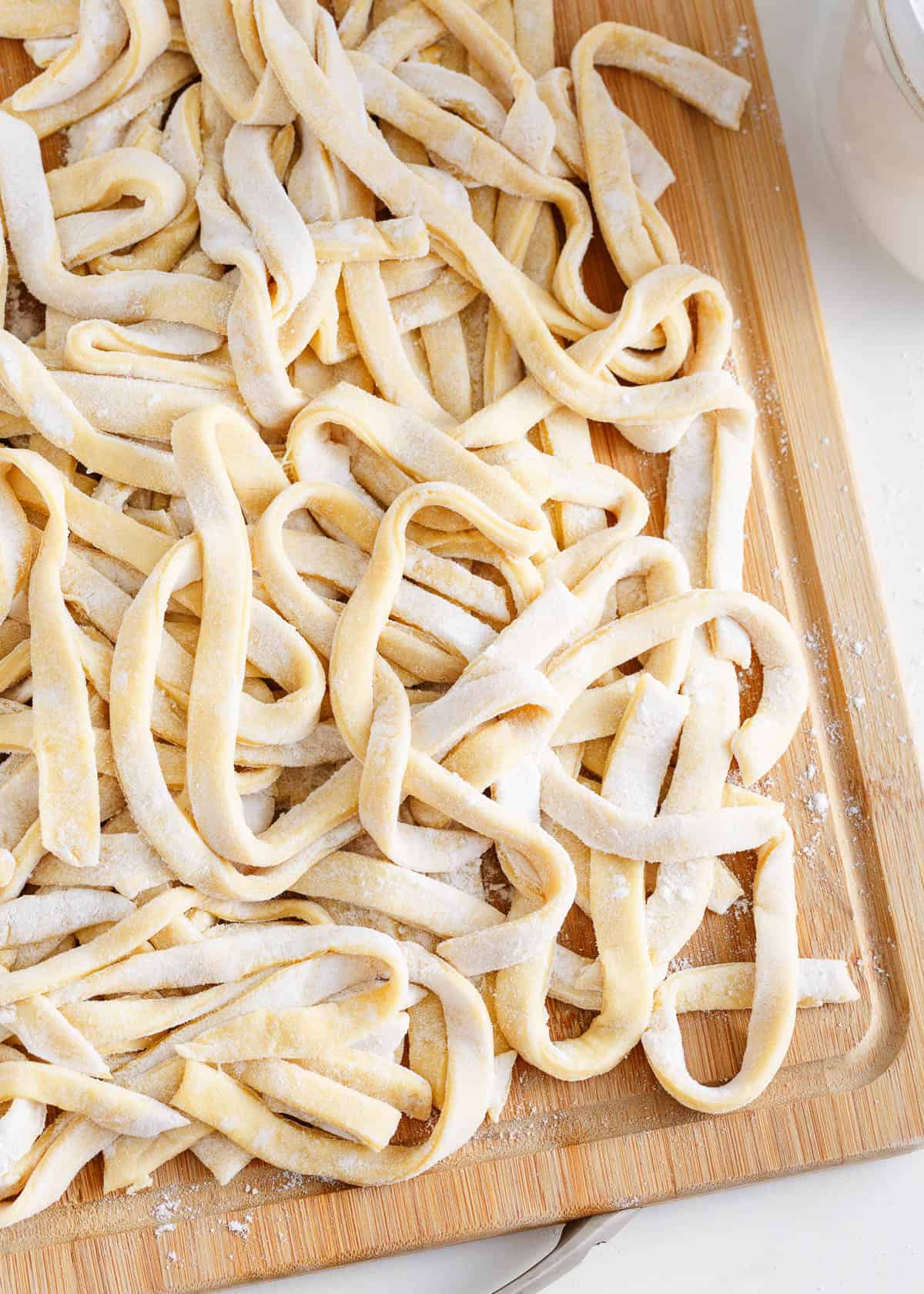
The Timeless Comfort of Homemade Egg Noodles
There's an undeniable magic in preparing food from scratch, a process that transcends mere cooking to fill your home with warmth, a sense of tradition, and an aroma that promises pure comfort. Among these cherished culinary endeavors, making
homemade egg noodles stands out as a truly timeless recipe. It’s an act that transforms an ordinary meal into something extraordinary, infusing it with a vibrant, fresh flavor that store-bought pasta simply can't replicate. Whether destined for a steaming bowl of chicken noodle soup on a crisp evening or tossed with fresh vegetables and a savory sauce for a quick family dinner, these soft, tender noodles elevate every bite.
For many, the mention of fresh noodles evokes cherished memories: the gentle thud of a rolling pin on a floured counter, the shared laughter around a kitchen table, or the preparations for grand holiday feasts. This recipe not only captures that nostalgic charm but also makes the process incredibly simple and approachable. Forget specialized equipment or intricate techniques; with just a handful of everyday pantry staples – flour, fresh eggs, a pinch of salt, and a touch of oil – you can create delicious homemade egg noodles that promise to become a new tradition in your kitchen. Once you discover how effortlessly fresh pasta comes together, you might just find yourself wondering why you didn't start sooner.
Why Choose Homemade Egg Noodles (and Why it's Easier Than You Think)
If you've ever felt intimidated by the idea of making pasta from scratch, rest assured that homemade egg noodles are a delightful exception. They are incredibly forgiving and require no fancy machinery, making them perfect for beginners and seasoned cooks alike. The benefits of opting for fresh over dried are immediately apparent in both taste and texture, offering a truly superior dining experience.
Here’s why these simple homemade egg noodles will quickly become a beloved staple:
- Unbeatable Flavor & Texture: Unlike their dried counterparts, fresh egg noodles boast a rich, eggy flavor and a remarkably tender, yet satisfyingly chewy texture. They cook up beautifully soft and delicate, melting in your mouth while still holding their shape. For a deeper dive into this difference, explore Homemade Egg Noodles: Why Fresh Beats Store-Bought Taste.
- Simple, Accessible Ingredients: You likely have everything you need in your pantry right now! Just a few basic staples are required, eliminating the need for a special grocery trip.
- Quick Preparation & Cooking: The dough comes together in mere minutes, and because they are fresh, these noodles cook significantly faster than dried pasta – often in just 2-3 minutes. This makes them ideal for weeknight meals.
- Incredibly Versatile: From comforting brothy soups like classic chicken noodle to creamy beef stroganoff, hearty casseroles, vibrant stir-fries, or simply tossed with butter and herbs, these noodles adapt beautifully to almost any dish.
- A Fun Family Activity: Rolling and cutting noodles can be a wonderfully engaging activity for the whole family, turning meal prep into a cherished memory-making experience.
- Superior Sauce Absorption: The slightly porous texture of fresh noodles allows them to soak up sauces and broths much more effectively, ensuring every bite is bursting with flavor.
The true beauty of this recipe lies in its simplicity. Once you master the basic dough, you can easily adjust the thickness and shape to perfectly suit your culinary creations, proving that exceptional results don't always require complex methods.
Gather Your Simple Ingredients and Tools
One of the most appealing aspects of making homemade egg noodles is the minimal investment in ingredients and equipment. You won't need any specialized pasta makers or high-tech gadgets; just a few basic kitchen essentials and pantry staples are all it takes.
Essential Ingredients:
The quality of your ingredients, particularly the eggs, makes a noticeable difference in the final product.
- 2 cups (240g) All-Purpose Flour: This is the foundation of your noodles. Ensure you measure it correctly – spoon flour into your measuring cup and then level it off to avoid over-packing.
- 3 large Eggs: Fresh eggs provide the rich flavor, golden color, and structural integrity for tender, pliable noodles. They are the "egg" in egg noodles!
- 1 tablespoon Vegetable Oil: A touch of oil adds elasticity to the dough, making it smoother to roll and contributing to a more tender noodle. Olive oil can also be used for a slightly different flavor profile.
- ½ teaspoon Salt: Essential for seasoning the dough itself, enhancing the overall flavor of your noodles.
- 1-2 tablespoons Water (15-30ml), if needed: Depending on the size of your eggs and the humidity in your kitchen, you might need a tiny bit of water to bring the dough together. Add it sparingly, a teaspoon at a time.
Optional for Dusting:
- 2 tablespoons (15g) additional All-Purpose Flour: Crucial for dusting your work surface, rolling pin, and the cut noodles to prevent sticking.
Basic Kitchen Tools You'll Need:
This recipe truly emphasizes the "no machine needed" approach, relying on fundamental kitchen items.
- Large Mixing Bowl: For combining your ingredients.
- Fork or Whisk: To initially beat the eggs and gradually incorporate the flour.
- Clean Work Surface: A spacious, clean counter is ideal for kneading and rolling the dough.
- Rolling Pin: This is your primary "pasta machine." A good, heavy rolling pin will make the job much easier. Wooden or marble pins work well.
- Sharp Knife or Pizza Cutter: For cleanly slicing your dough into uniform noodles. A ruler can be handy for consistent widths, though eye-balling is perfectly acceptable.
- Large Pot: For boiling your freshly cut noodles.
Embracing this simple toolkit makes the entire process approachable, demystifying pasta making and proving that delicious results are within reach for anyone.
Crafting Your Noodles: A Step-by-Step Guide
Making
homemade egg noodles from scratch might sound like a gourmet endeavor, but the process is surprisingly straightforward and incredibly satisfying. Follow these simple steps to create perfectly tender noodles without any specialized equipment.
Step 1: Prepare the Dough
- Combine Dry Ingredients: In your large mixing bowl, whisk together the 2 cups of all-purpose flour and ½ teaspoon of salt. This ensures the salt is evenly distributed.
- Create a Well: Push the flour mixture to the sides of the bowl, forming a clear "well" in the center.
- Add Wet Ingredients: Crack the 3 large eggs directly into the well, then add the 1 tablespoon of vegetable oil.
- Mix Gradually: Using a fork, gently whisk the eggs and oil in the center. As you whisk, gradually pull small amounts of flour from the edges of the well into the wet mixture. Continue until a shaggy, cohesive dough begins to form.
- Knead the Dough: Turn the dough out onto a lightly floured clean work surface. Knead the dough for about 5-7 minutes. At first, it might seem a bit sticky or stiff, but as you knead, it will become smooth, elastic, and less sticky. The goal is a dough that springs back slightly when poked. If the dough is too dry and crumbly, add water a teaspoon at a time; if it's too sticky, add a little more flour.
- Rest the Dough: Form the dough into a ball, wrap it tightly in plastic wrap or place it in a covered bowl, and let it rest at room temperature for at least 30 minutes. This resting period is crucial as it allows the gluten to relax, making the dough much easier to roll out thinly.
Step 2: Roll the Dough
- Prepare Surface: Lightly flour your work surface and rolling pin.
- Divide (Optional): For easier handling, you can divide the dough ball in half or even into quarters. Keep any unrolled portions covered to prevent them from drying out.
- Roll Thinly: Place one portion of dough on the floured surface. Using your rolling pin, start rolling from the center outwards, rotating the dough frequently (and re-flouring if necessary) to ensure an even thickness. Continue rolling until the dough is very thin – ideally almost translucent, like thin parchment paper. The thinner you roll, the more delicate your noodles will be. Don't be afraid to put some effort into it! If the dough springs back, cover it and let it rest for another 5-10 minutes.
Step 3: Cut the Noodles
- Lightly Flour: Once rolled, lightly dust the entire surface of the dough with flour. This prevents sticking.
- Fold the Dough: Carefully fold the dough sheet in half, then in half again, or roll it loosely into a log. The number of folds depends on the size of your rolled sheet. Again, a light dusting of flour between layers will help prevent sticking.
- Slice: Using a sharp knife or pizza cutter, slice the folded dough into strips of your desired thickness. For traditional soup noodles, aim for about ¼ inch wide; for wider, heartier noodles, go up to ½ inch.
- Unfurl and Dust: Gently unfurl the cut noodles and toss them lightly with a bit more flour to ensure they don't stick together.
- Dry (Optional but Recommended): If you’re not cooking them immediately, you can allow the noodles to air dry for 15-30 minutes on a lightly floured surface or a clean kitchen towel. This helps them firm up and prevents clumping when cooked. For a more comprehensive guide to the exact recipe steps, you might find additional helpful insights in our Easy Homemade Egg Noodles: Simple From-Scratch Recipe.
Cooking Your Fresh Noodles to Perfection & Serving Suggestions
Once your beautiful homemade egg noodles are cut, the final step is to cook them and transform them into a delicious meal. The cooking process for fresh noodles is remarkably quick, so keep a close eye on them!
Cooking Instructions:
- Boil Water: Bring a large pot of generously salted water to a rolling boil. A good rule of thumb is 1 tablespoon of salt per gallon of water – this seasons the noodles from within.
- Add Noodles: Gently add your fresh noodles to the boiling water, stirring immediately to prevent them from sticking together.
- Cook Quickly: Fresh egg noodles cook very fast, typically in just 2-3 minutes. They will float to the surface when they are nearly done. Taste a noodle to check for desired tenderness. They should be tender but still have a slight bite (al dente).
- Drain: Promptly drain the noodles in a colander. Do not rinse them, as the starchy coating helps sauces adhere better.
Serving Suggestions:
The versatility of homemade egg noodles means they can star in a wide array of dishes:
- Classic Chicken Noodle Soup: The ultimate comfort food. Add the noodles directly to your simmering chicken broth in the last few minutes of cooking for maximum flavor absorption.
- Buttered Noodles with Herbs: Toss the cooked noodles with melted butter, a sprinkle of fresh parsley or chives, and plenty of black pepper for a simple, elegant side dish.
- Beef Stroganoff: Their tender texture makes them the perfect accompaniment to a rich and creamy stroganoff sauce.
- Garlic Parmesan Noodles: Sauté some minced garlic in olive oil, toss with the drained noodles, grated Parmesan cheese, and a splash of the pasta cooking water for a quick, flavorful meal.
- Stir-Fries: While often associated with Asian cuisine, these noodles can be a delightful addition to an inventive fusion stir-fry.
- Creamy Casseroles: Layer them into your favorite baked pasta dishes for a homely, comforting texture.
Storage Tips:
- Immediate Use: Best cooked and enjoyed within an hour or two of cutting.
- Short-Term Storage (Up to 24 hours): Spread the fresh noodles in a single layer on a lightly floured baking sheet or clean kitchen towel. Allow them to air dry for at least an hour until they feel dry to the touch, then transfer to an airtight container and refrigerate.
- Longer Storage (Drying): For extended storage, dry the noodles completely until they are brittle. You can use a pasta drying rack, hang them over a clean broom handle suspended between two chairs, or simply spread them out on floured sheets. Once fully dry (this can take 12-24 hours depending on humidity), store them in an airtight container at room temperature for several weeks.
- Freezing: Arrange fresh (or slightly dried) noodles in individual nests on a baking sheet and freeze until solid. Once frozen, transfer to a freezer-safe bag or container. They can be cooked directly from frozen; just add a minute or two to the cooking time.
In conclusion, making
homemade egg noodles truly is a simple, rewarding experience that requires no special machinery but delivers unparalleled flavor and texture. From the comforting process of kneading the dough to the joy of serving a dish elevated by your own fresh creation, every step is infused with a sense of accomplishment. We encourage you to roll up your sleeves, gather your basic ingredients, and discover the deep satisfaction of creating these tender, delicious noodles from scratch. It’s a culinary journey worth taking, promising to bring warmth, tradition, and incredible taste to your family's table.